Light Dropper colored icon
Loading interactive 3D reference…
45% complete

Torus Shading Reference

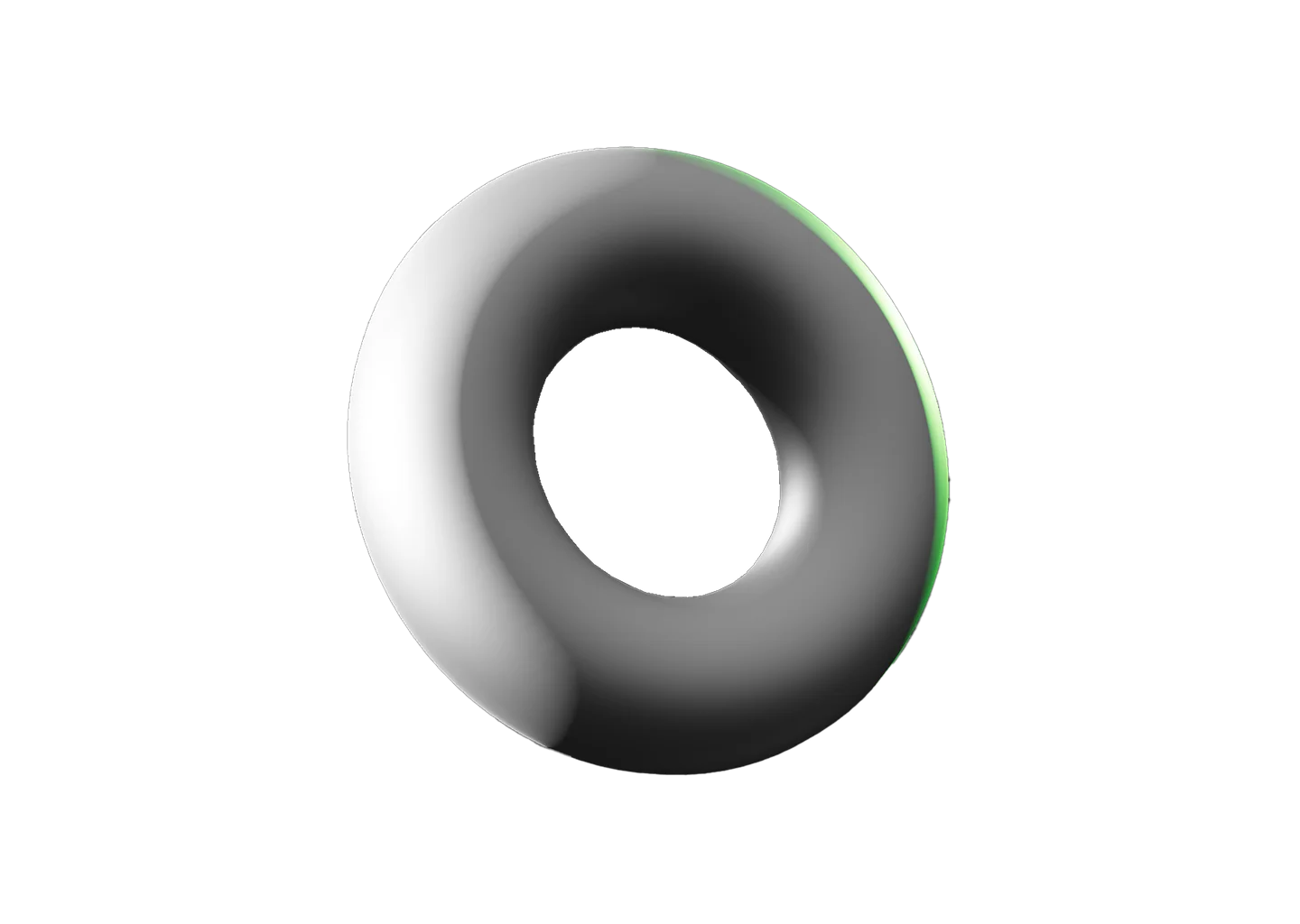
The torus is where light gets genuinely difficult. The surface loops back on itself, so the form partially hides its own far side, and the light has to wrap around a curve that never stops turning.

Once you can read a torus, you’ll start recognizing the same lighting everywhere—chains, rolled fabric, coffee mug handles, and countless organic forms all borrow the same lighting principles you’ll practice here.

Rotate the camera to see how the torus casts shadows onto itself, the near side dropping shade across the far side. Add lights and watch highlights and reflected light travel around the ring as the surface continuously changes direction.

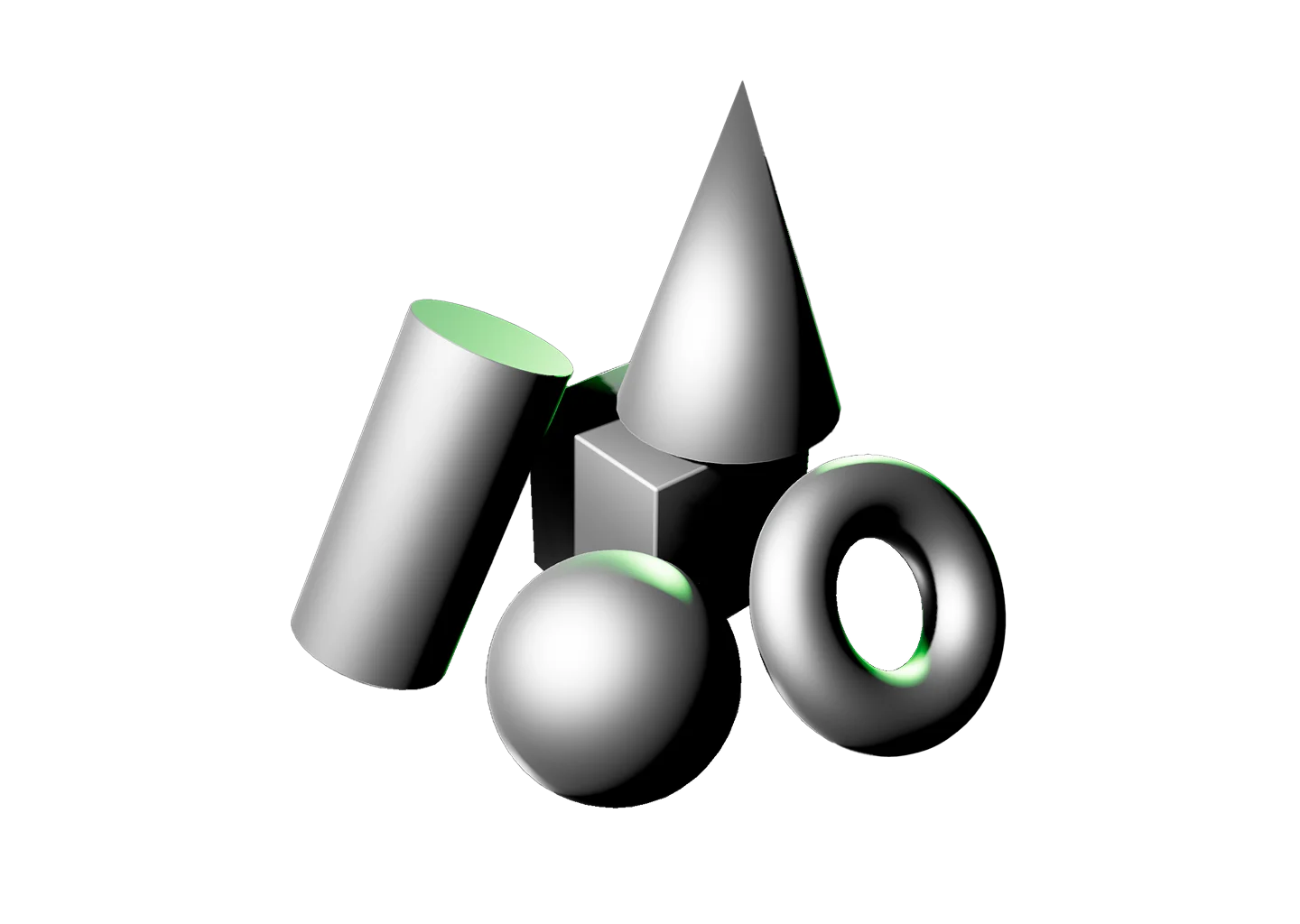
Once you can read a surface that curves in two directions at once, the Primitive Shapes Shading Reference brings every form together into one composition.
Toggle Info: I
Toggle info: i
Double click to drop a light
Click-and-drag to move a light
Right click objects for options
Precision Controls
Camera Angle Presets: C
Toggle Perspective: P
Randomize Scene: R
Randomize Lights: Shift + R
Value Steps: V
Undo: Cmd + Z
Redo: Cmd + Shift + Z
Save Setup: Cmd + S
Labels → Scene Lock: L
Learn & Track
Overview → Timer: T
Reset scene
Icon of person raising their hand
Share feedback
Beta: Saved setups (N)
Reference Timer
Track how much time you spend studying this model. The timer keeps running while you sketch, draw, or paint. If the page goes unattended for several hours, Light Dropper checks in with you, then automatically pauses the timer until you return.
Timer indicator
0
Pause timerStart timer
Today
0
Yesterday
0
This week
0
Last week
0
Lifetime
0
Torus primitive shape with smooth shading and subtle green edge on a transparent background.

Torus Shading Reference

The torus is where light gets genuinely difficult. The surface loops back on itself, so the form partially hides its own far side, and the light has to wrap around a curve that never stops turning.

Once you can read a torus, you’ll start recognizing the same lighting everywhere—chains, rolled fabric, coffee mug handles, and countless organic forms all borrow the same lighting principles you’ll practice here.

Rotate the camera to see how the torus casts shadows onto itself, the near side dropping shade across the far side. Add lights and watch highlights and reflected light travel around the ring as the surface continuously changes direction.

Once you can read a surface that curves in two directions at once, the Primitive Shapes Shading Reference brings every form together into one composition.
A hand icon with a strikethrough
This experience requires a larger window.