Light Dropper colored icon
Loading interactive 3D reference…
45% complete

Cylinder Shading Reference

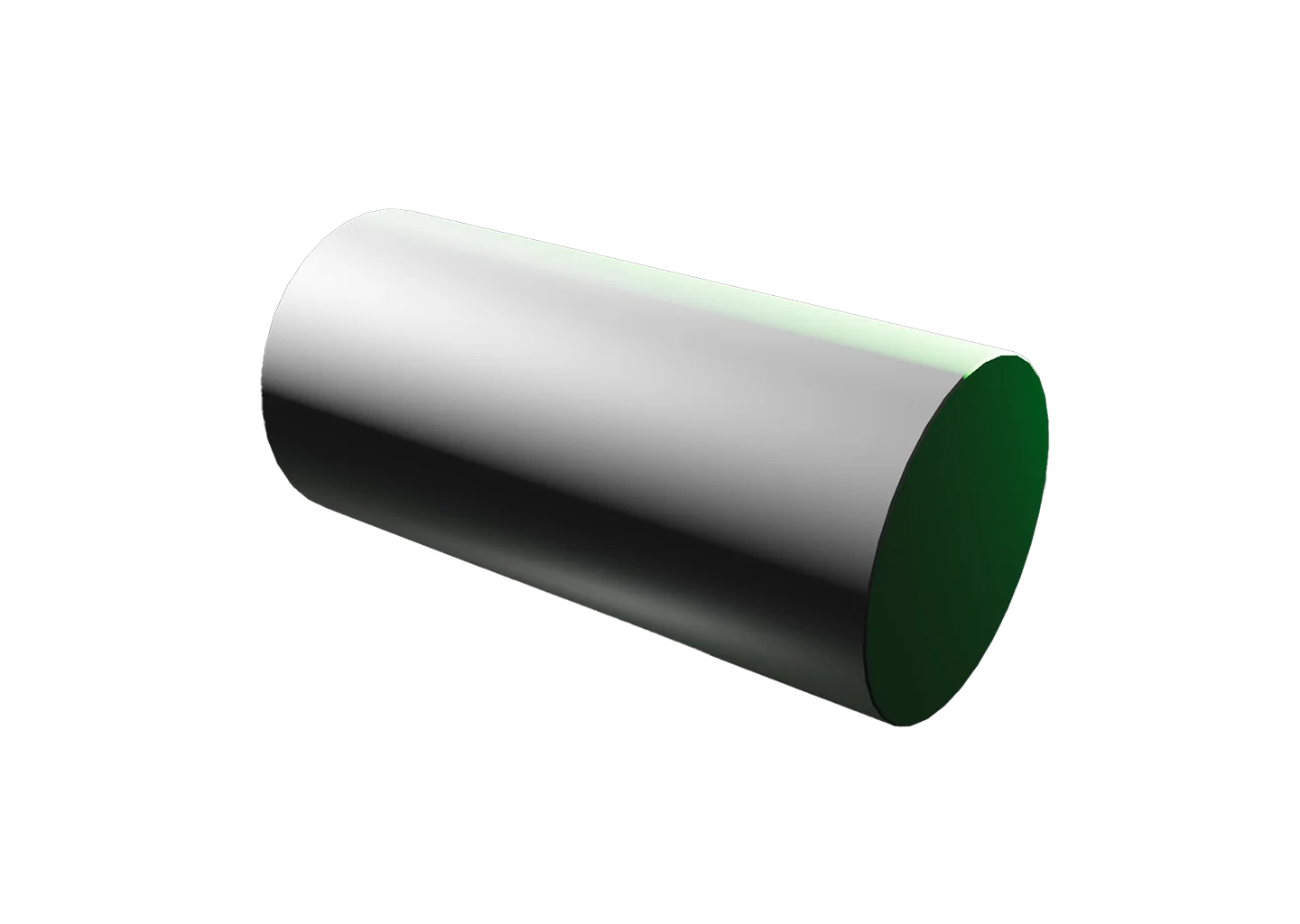
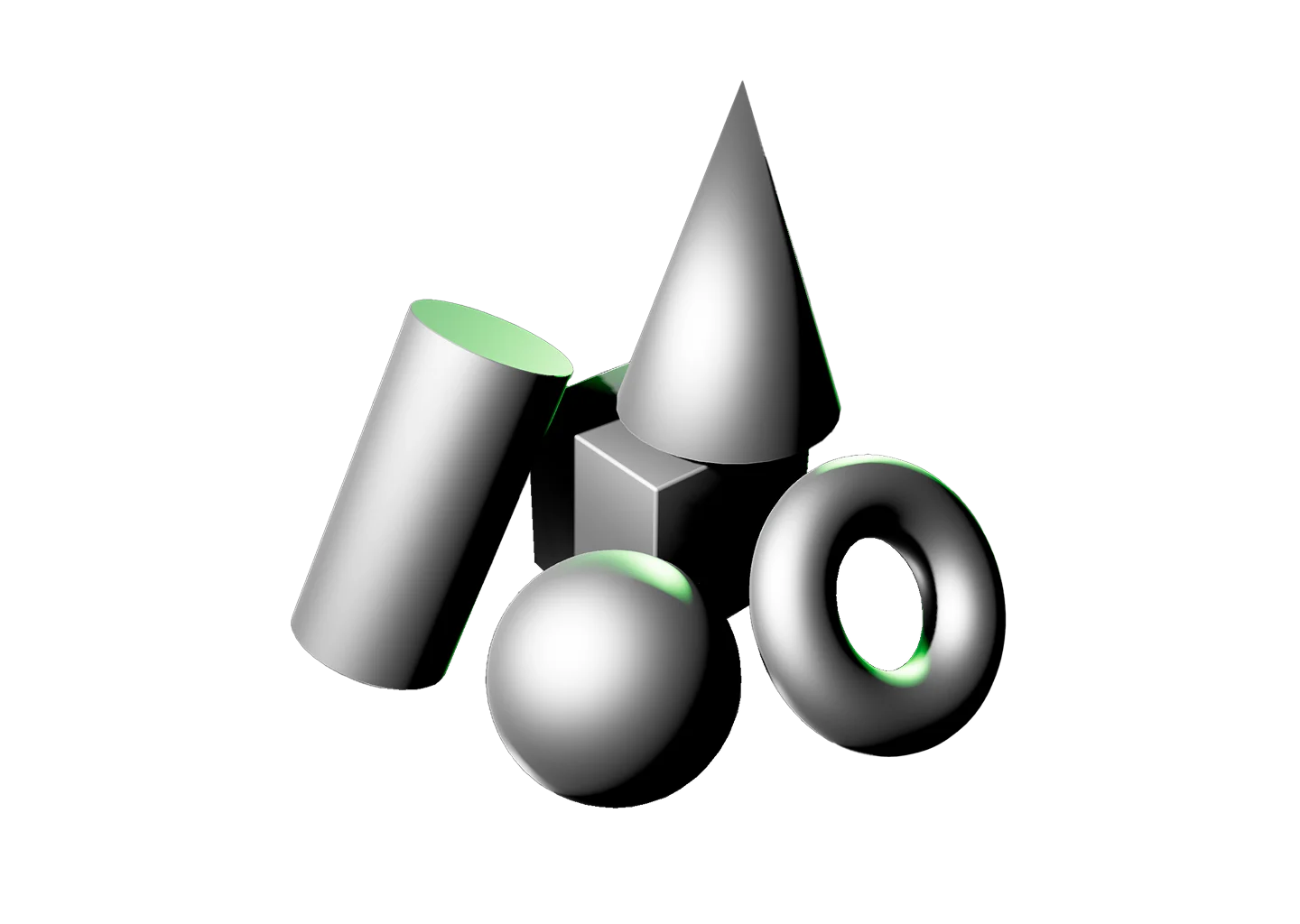
The cylinder bridges flat planes and curved surfaces, making it one of the most useful shape primitives for studying ellipses, perspective, and light wrapping around form. Those same principles carry directly into drawing arms, legs, fingers, and other organic shapes.

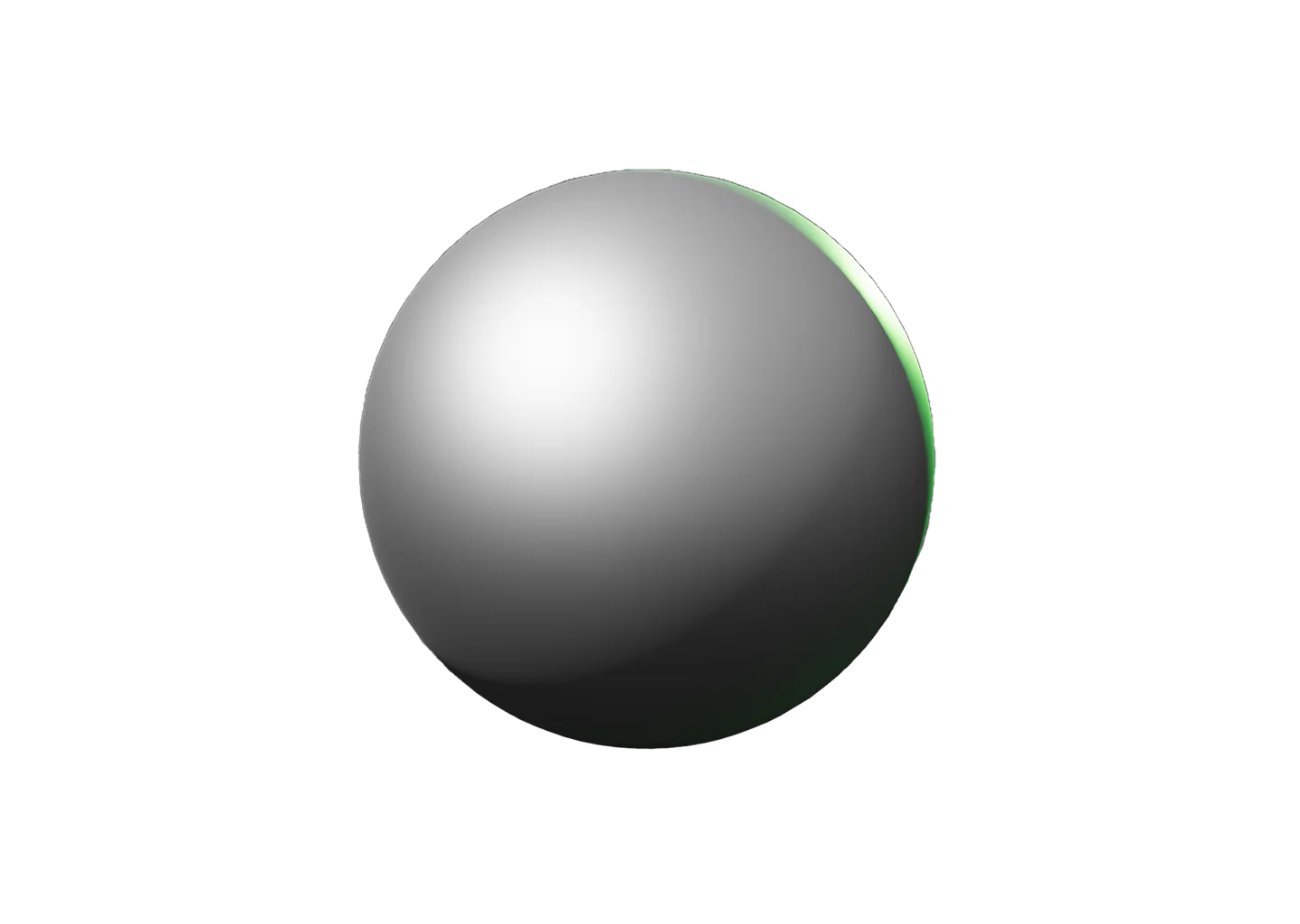
Where the sphere’s terminator curves in every direction, the cylinder’s runs as a straight stripe down its length, so the core shadow reads as a clean vertical band. It’s the easiest place to see how shadows behave before tackling forms that twist and taper.

The scene loads with a green light to set the mood, but switch it to white whenever you want a neutral setup for a pure value study.

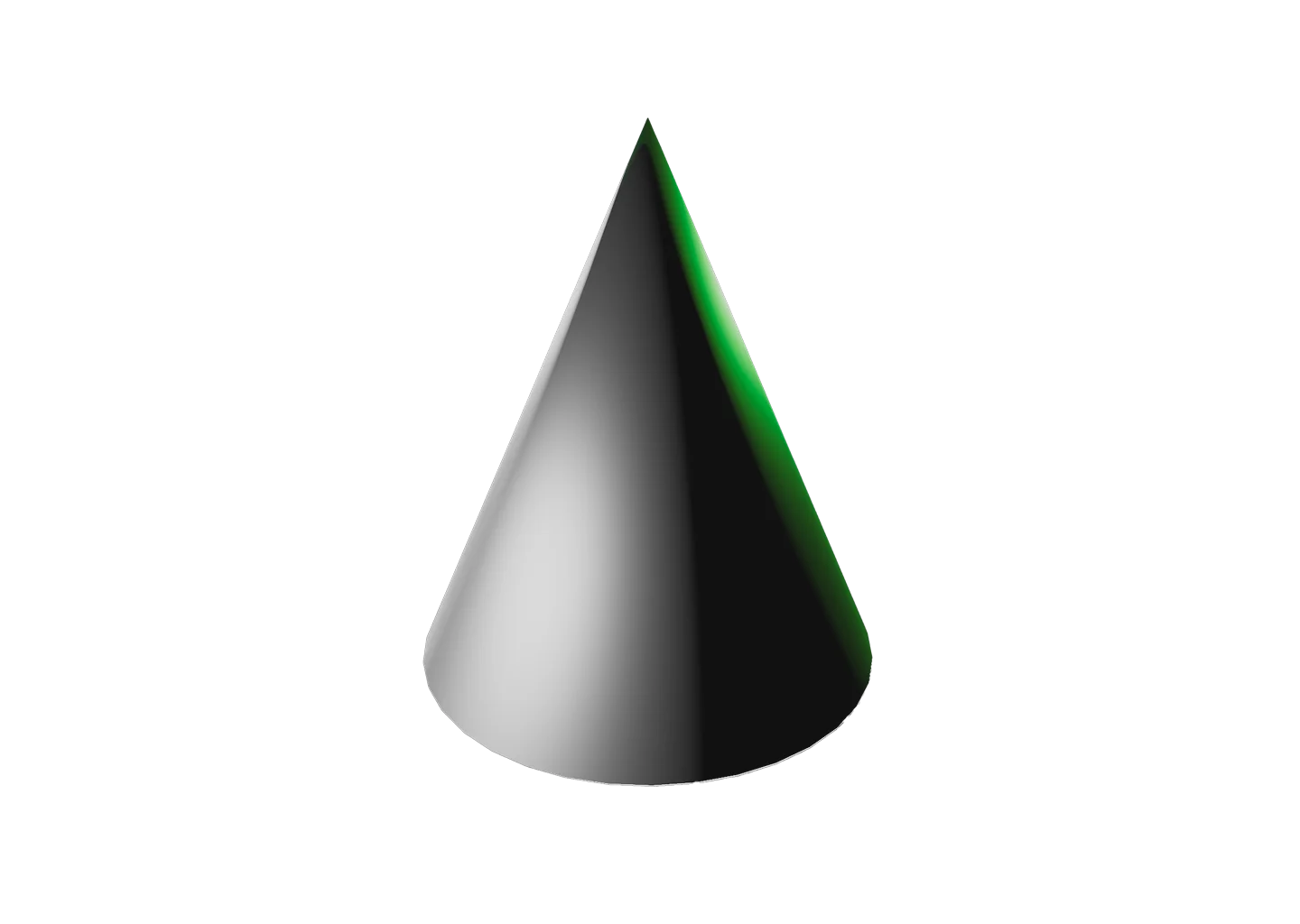
Keep the round base, lose the flat top, and the cylinder sharpens into something new. The Cone Shading Reference picks up right at that point.
Toggle Info: I
Toggle info: i
Double click to drop a light
Click-and-drag to move a light
Right click objects for options
Precision Controls
Camera Angle Presets: C
Toggle Perspective: P
Randomize Scene: R
Randomize Lights: Shift + R
Value Steps: V
Undo: Cmd + Z
Redo: Cmd + Shift + Z
Save Setup: Cmd + S
Labels → Scene Lock: L
Learn & Track
Overview → Timer: T
Reset scene
Icon of person raising their hand
Share feedback
Beta: Saved setups (N)
Reference Timer
Track how much time you spend studying this model. The timer keeps running while you sketch, draw, or paint. If the page goes unattended for several hours, Light Dropper checks in with you, then automatically pauses the timer until you return.
Timer indicator
0
Pause timerStart timer
Today
0
Yesterday
0
This week
0
Last week
0
Lifetime
0
Cylinder with a gradient shading from light gray to dark gray on a white background.

Cylinder Shading Reference

The cylinder bridges flat planes and curved surfaces, making it one of the most useful shape primitives for studying ellipses, perspective, and light wrapping around form. Those same principles carry directly into drawing arms, legs, fingers, and other organic shapes.

Where the sphere’s terminator curves in every direction, the cylinder’s runs as a straight stripe down its length, so the core shadow reads as a clean vertical band. It’s the easiest place to see how shadows behave before tackling forms that twist and taper.

The scene loads with a green light to set the mood, but switch it to white whenever you want a neutral setup for a pure value study.

Keep the round base, lose the flat top, and the cylinder sharpens into something new. The Cone Shading Reference picks up right at that point.
A hand icon with a strikethrough
This experience requires a larger window.