Loading interactive 3D reference…
45% complete
Loomis Method Interactive Reference
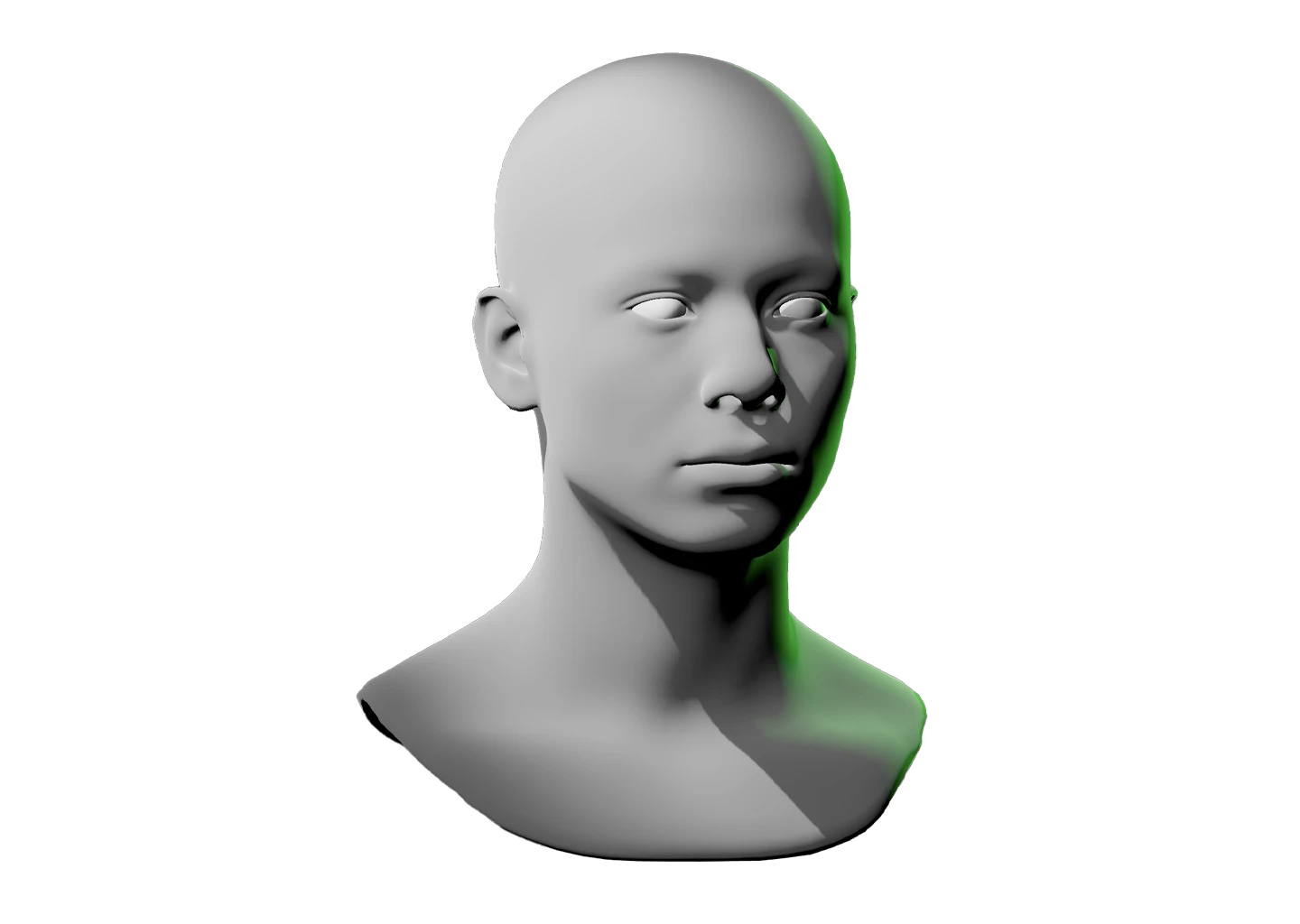
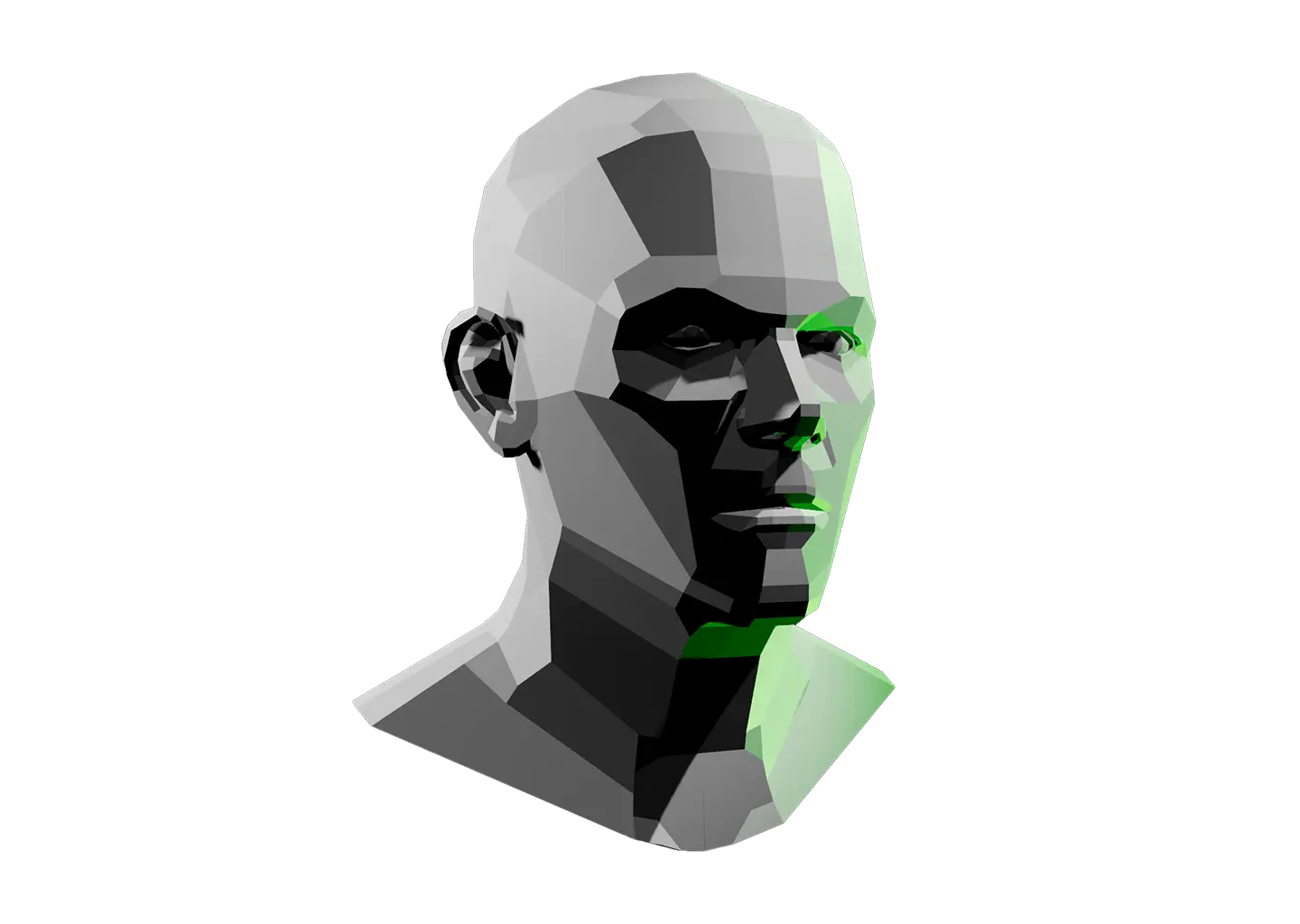
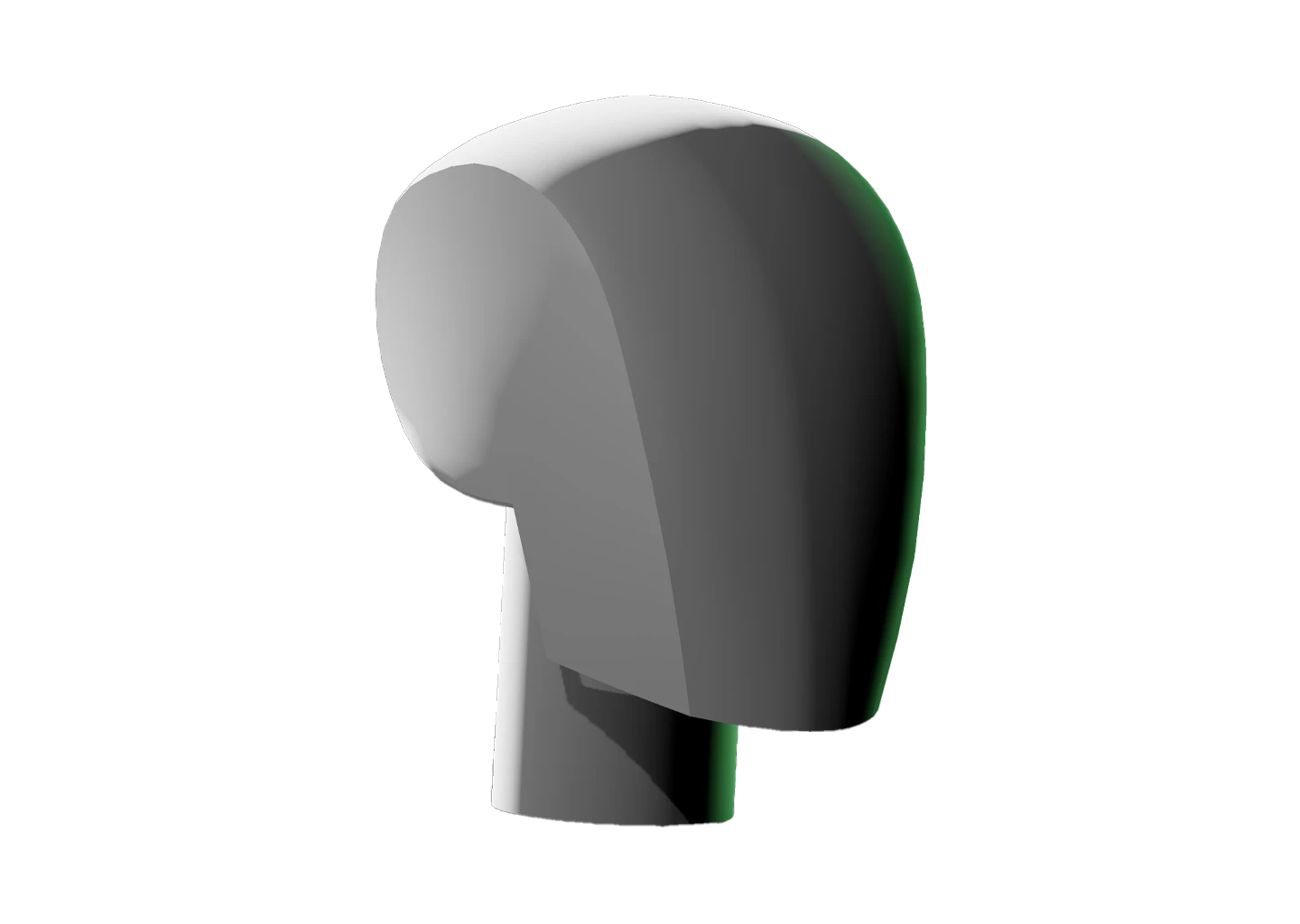
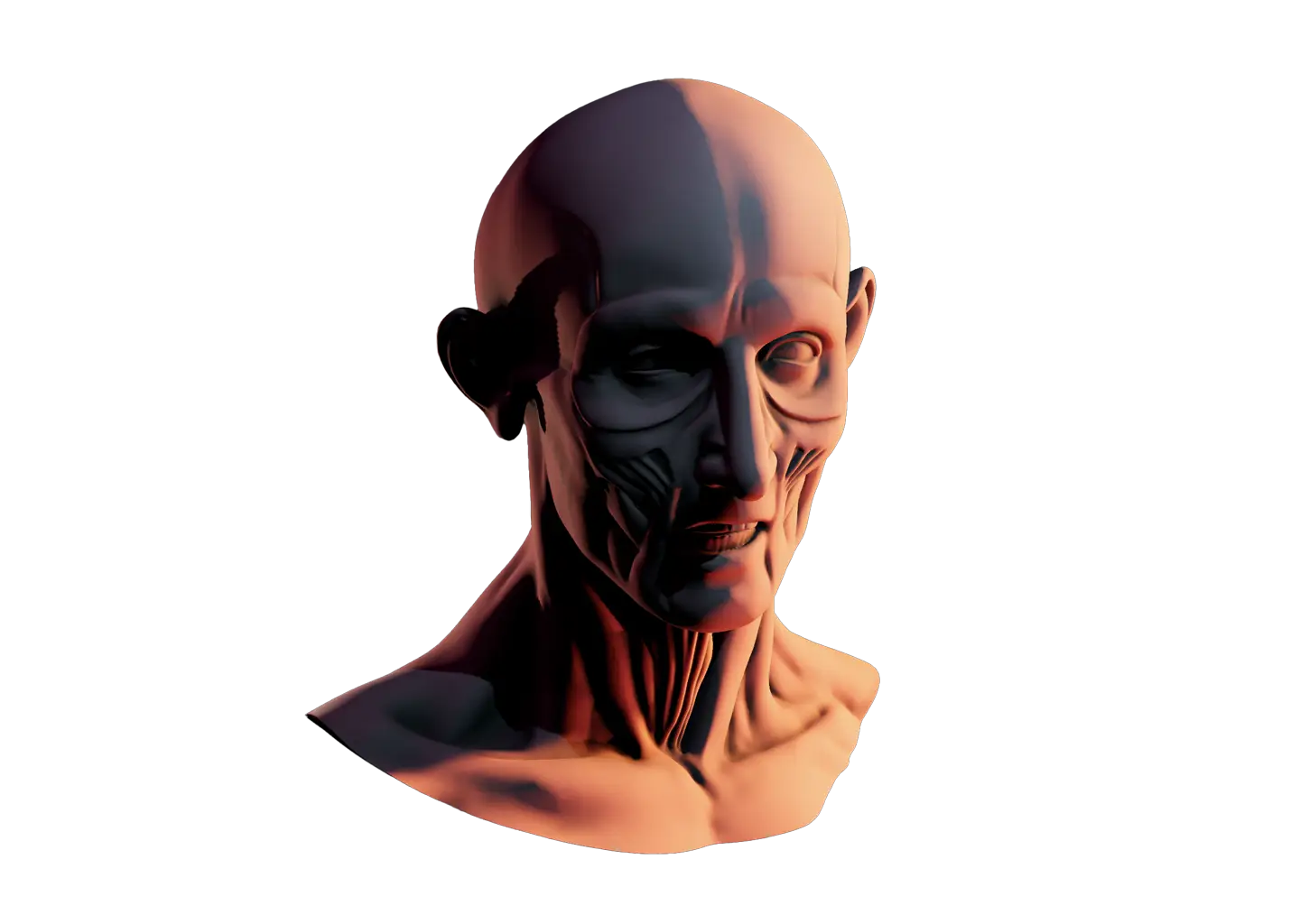
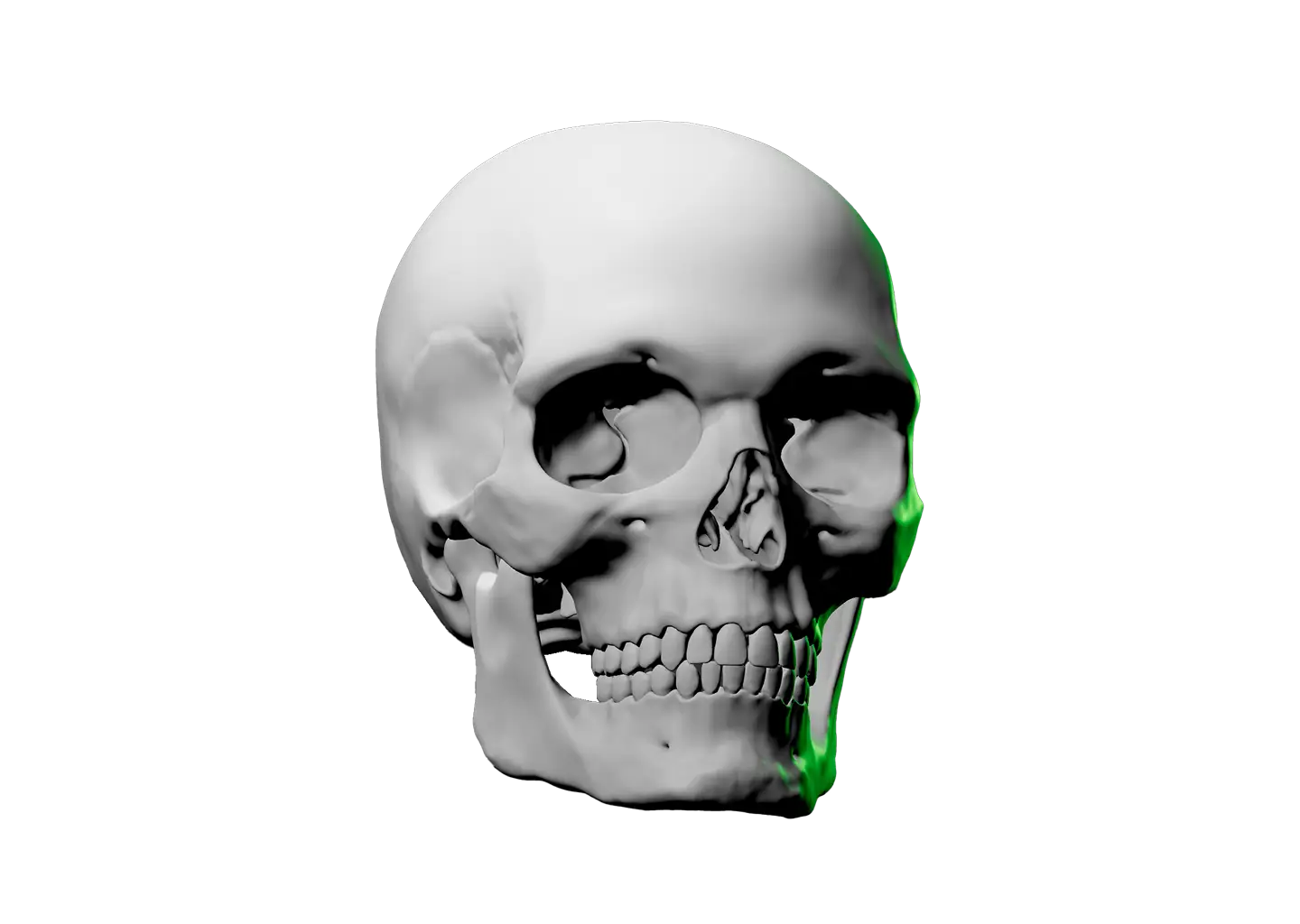
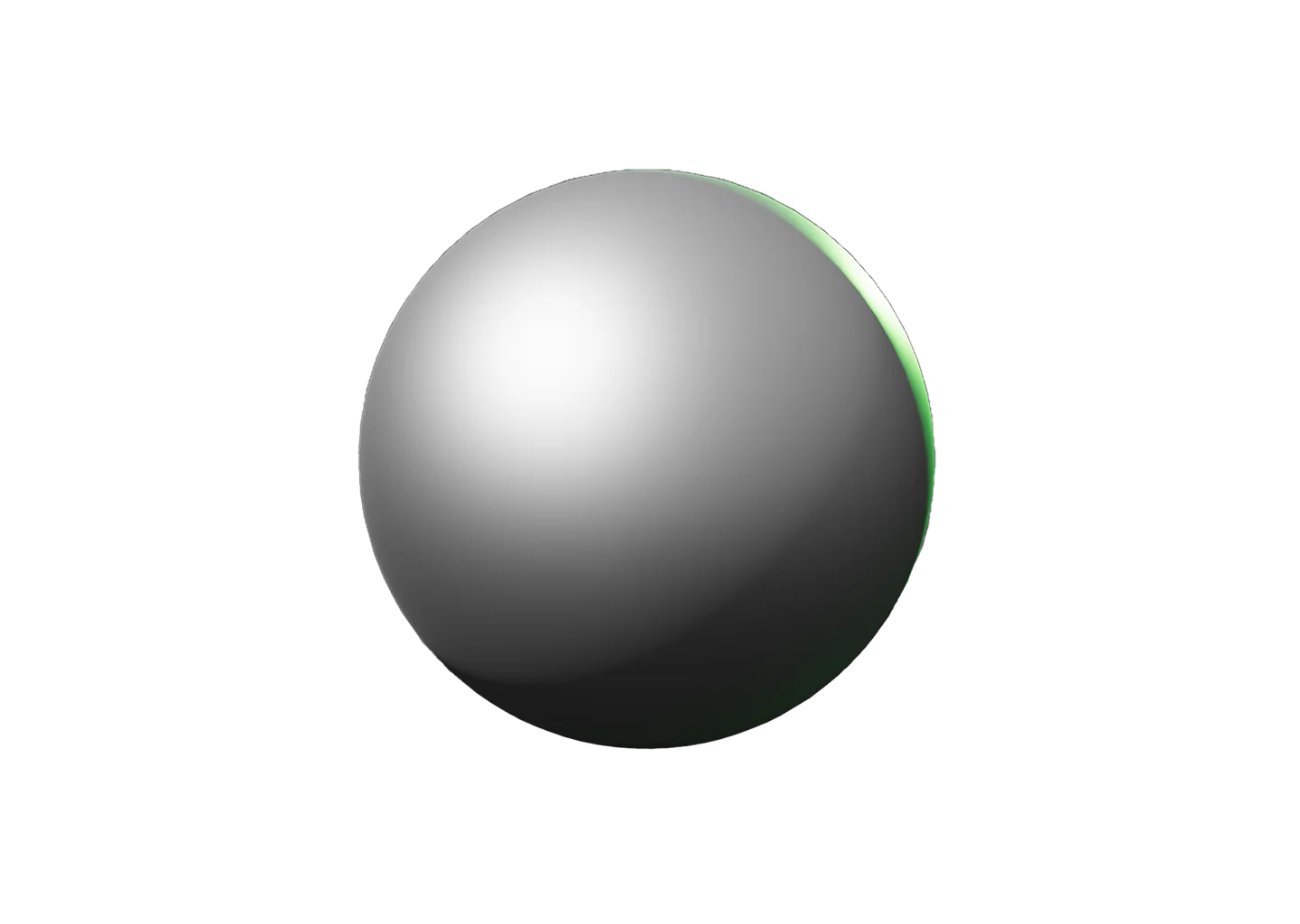
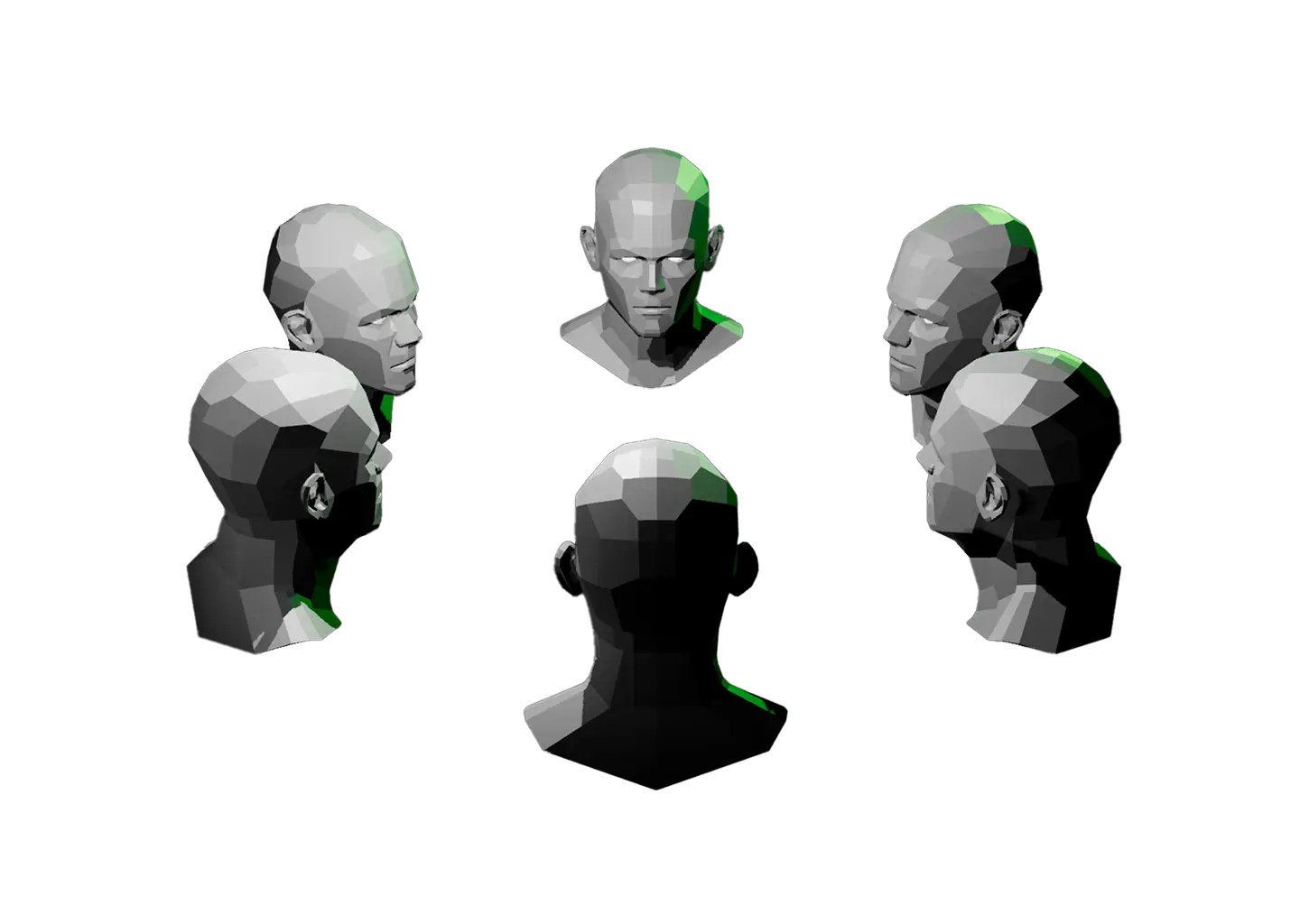
Few head drawing techniques have influenced artists as deeply as the Loomis Method. It breaks the skull into a sphere with a flattened side, then uses that underlying structure to place features accurately in any perspective. Understanding that geometry is what separates confident head drawing from guesswork.
His books went out of print for decades and artists never stopped sharing them. That’s how foundational this knowledge is. Now explore it interactively in three dimensions.
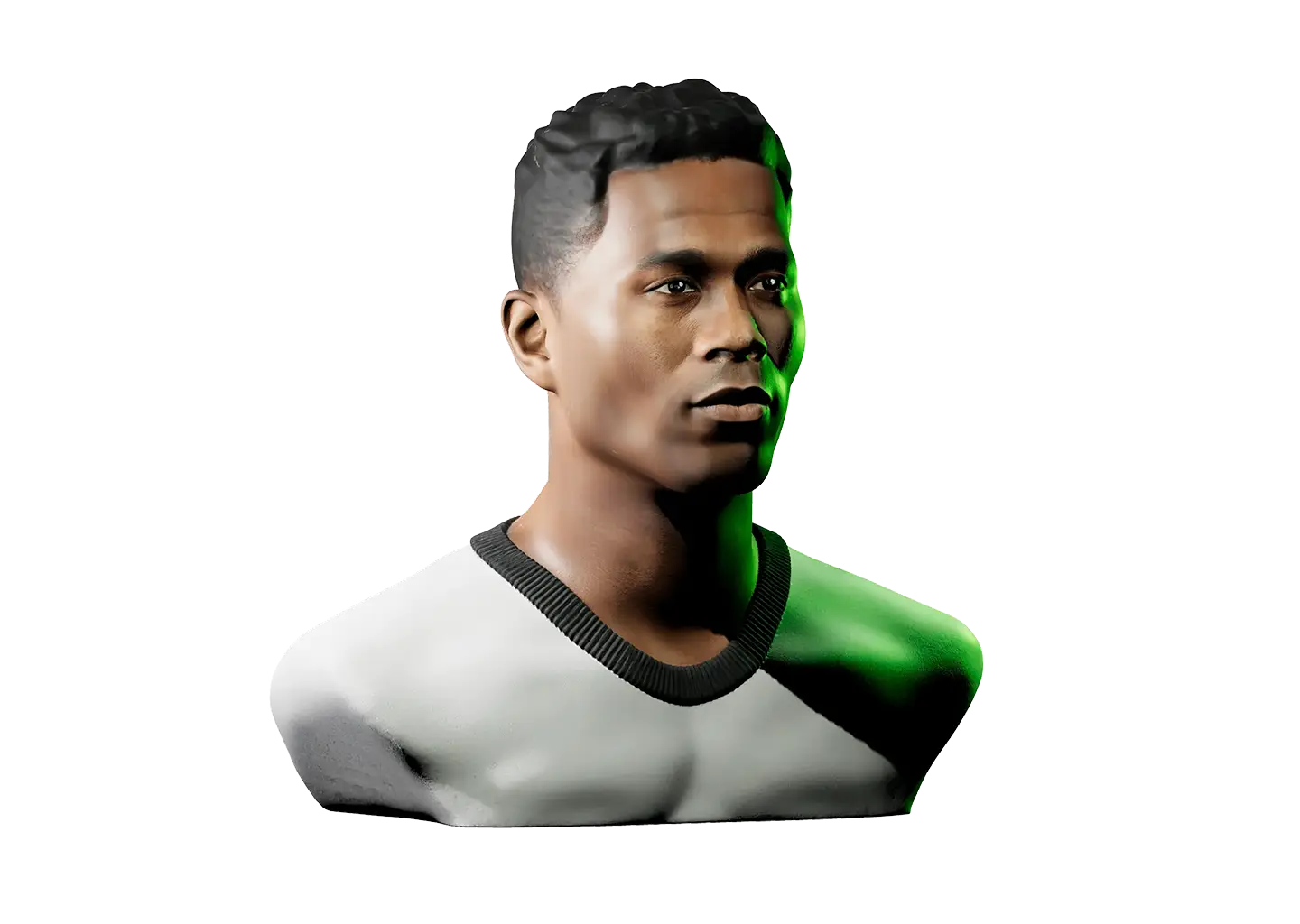
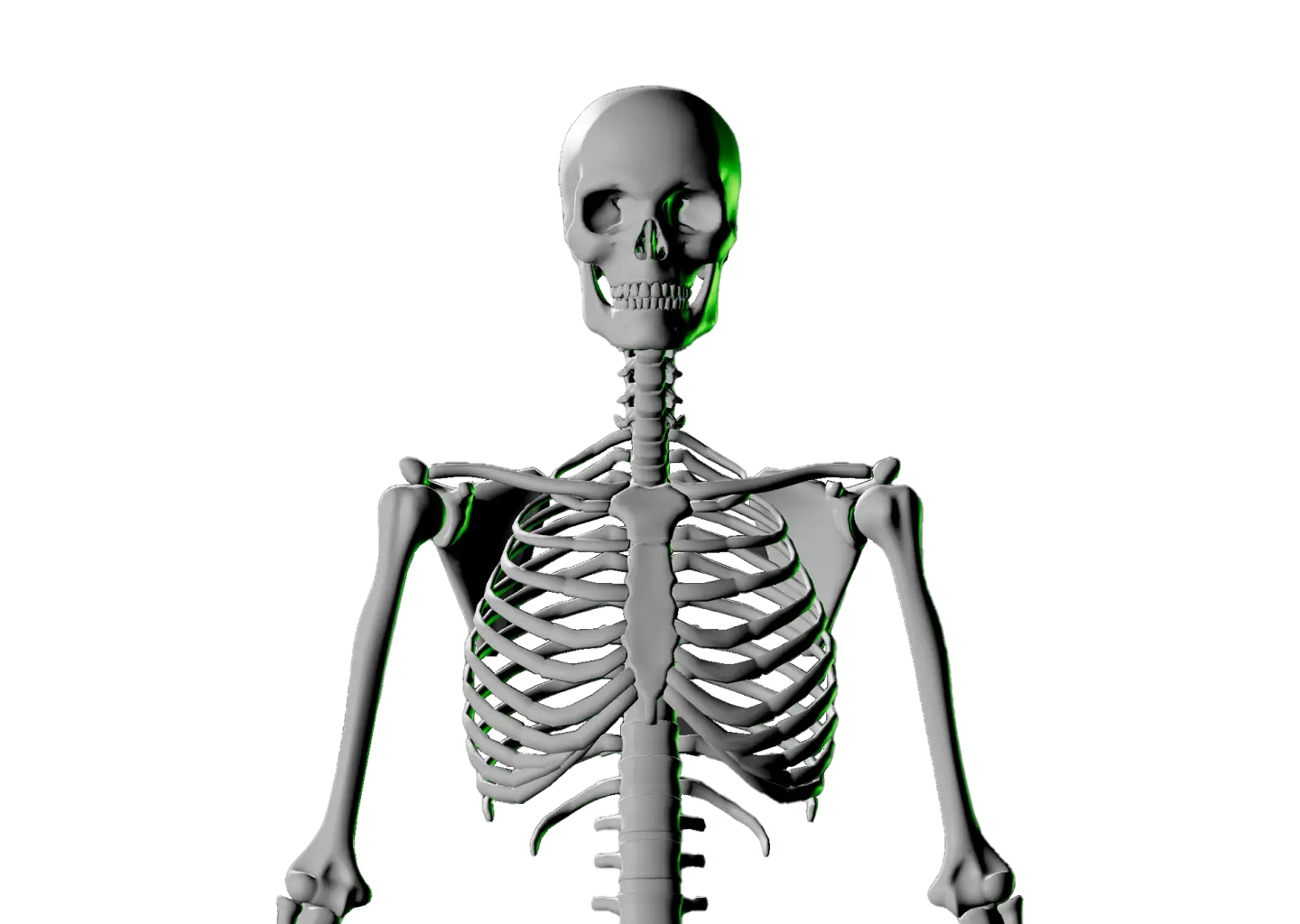
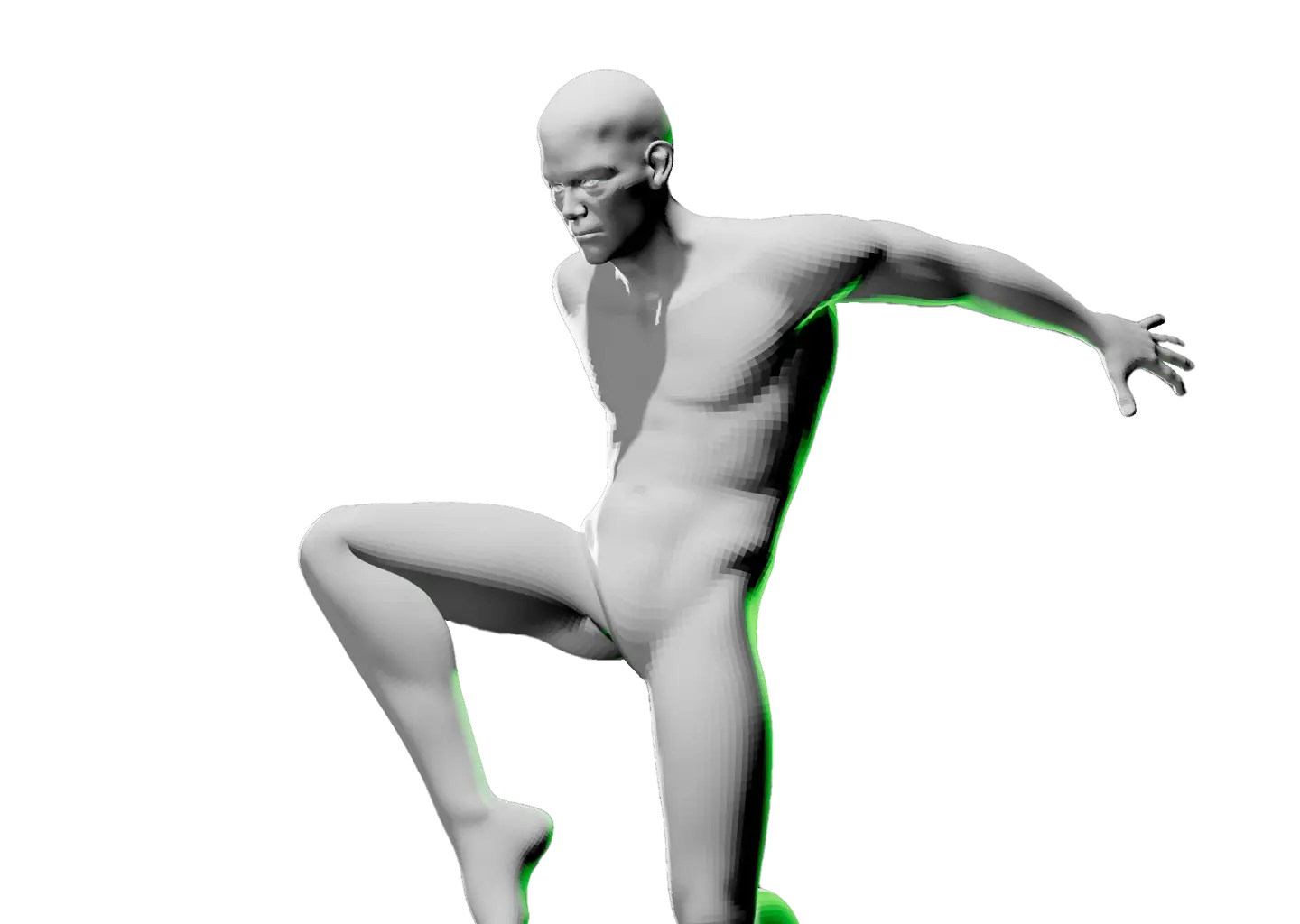
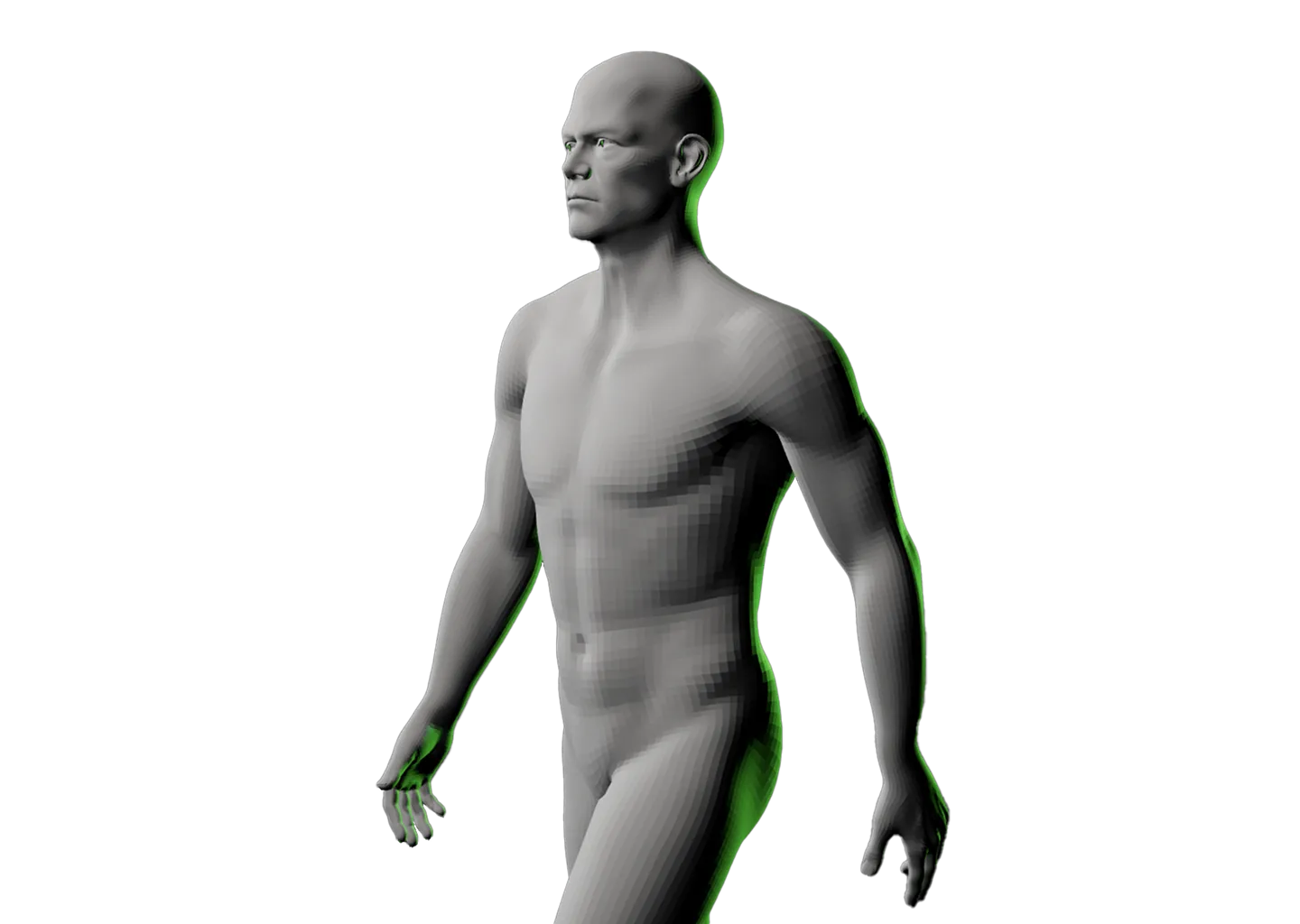
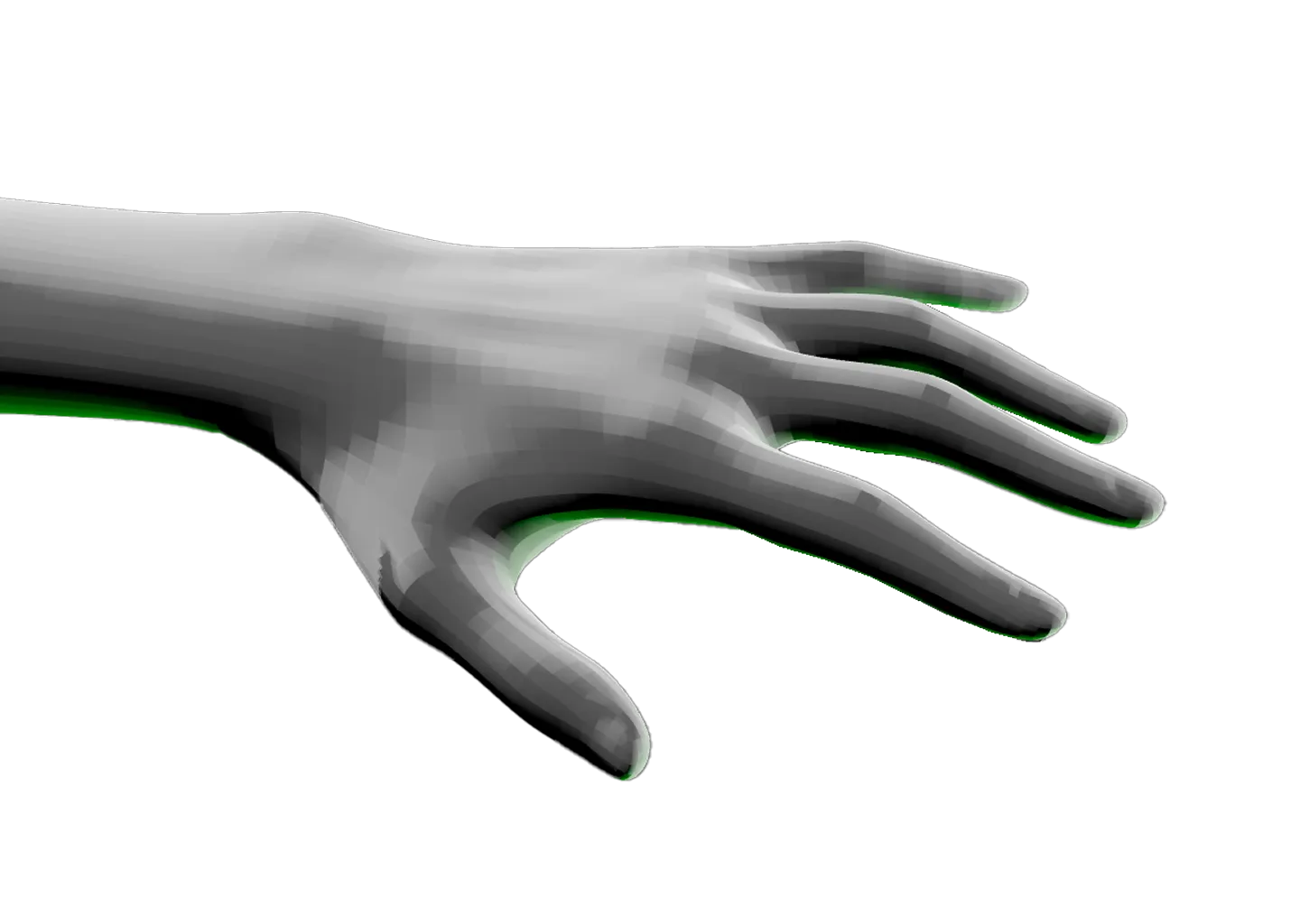
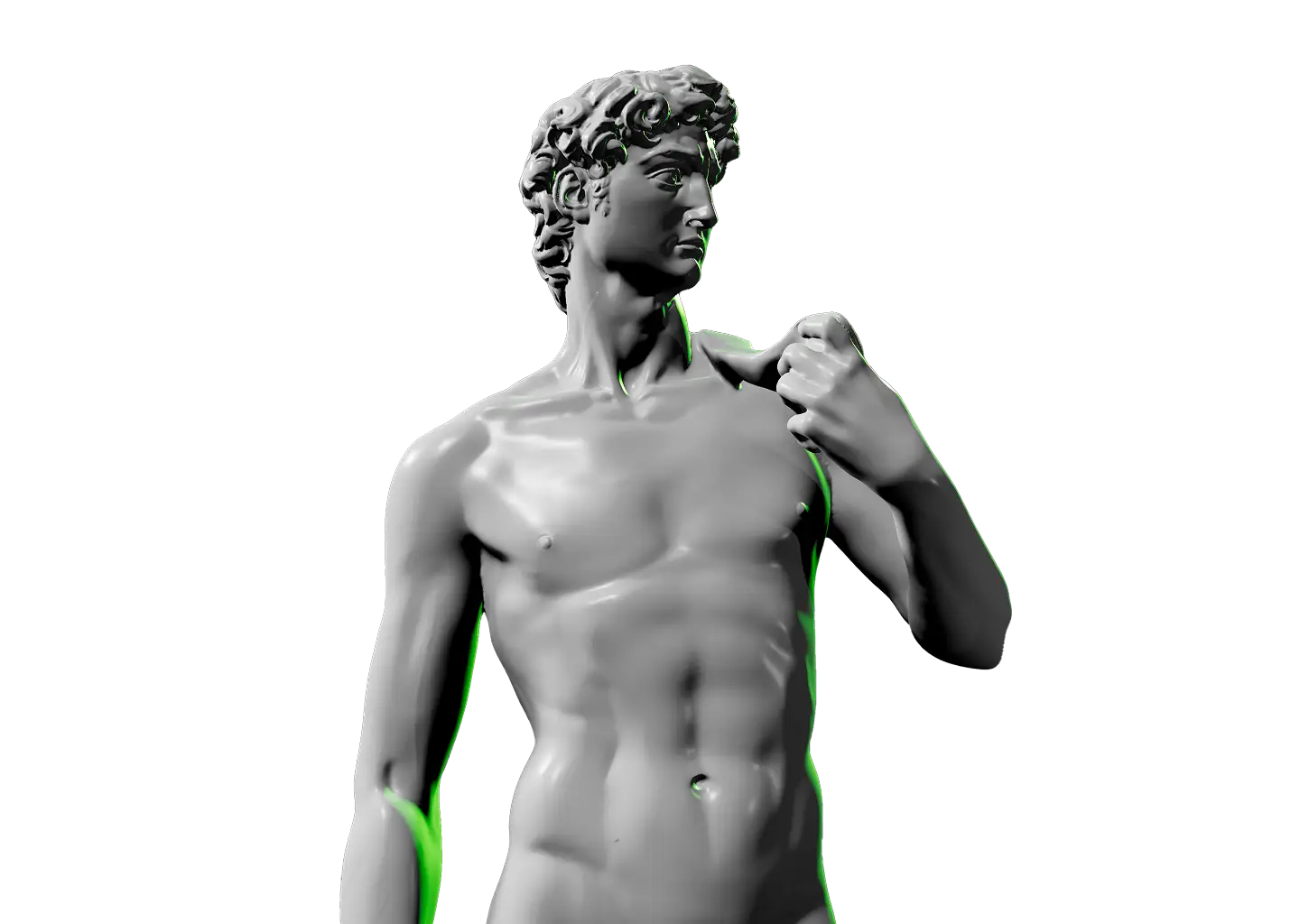
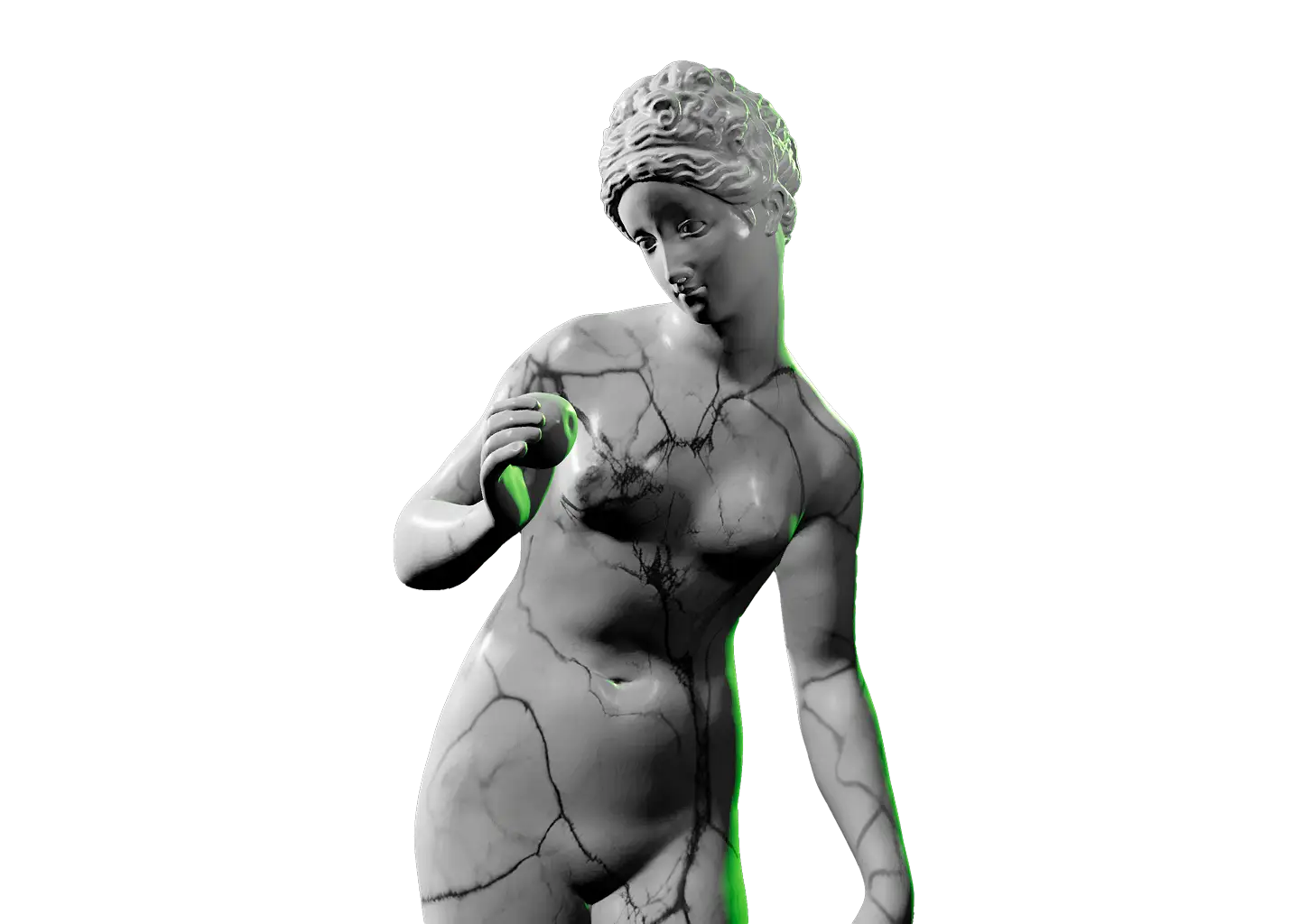
Rotate the model from any angle, add and reposition lights, switch between orthographic and perspective views, and adjust the background to isolate form and shadow. This is where you stop reading about the method and start using it.
Toggle Info: I
• Double click to create a light
• Click-and-drag to move a light
• Right click objects for options
Precision Controls
Toggle Light Labels: L
Toggle Camera Type: C
Randomize Scene: R
Randomize Lights: Shift + R
Undo: Cmd + Z
Redo: Cmd + Shift + Z
Animated Model Controls
Play/Pause: Spacebar
Reset scene
Requests and feedback
Import a Setup
Import a Light Dropper .JSON file to apply lighting, camera and other customizations from a setup.
Export a Setup
Export a .JSON file to save lighting, camera, and other customizations. Press (Shift + I) to import one.
Model Mismatch
This setup you're trying to import is for a different model. Results may be unexpected.
Loomis Method Interactive Reference
Few head drawing techniques have influenced artists as deeply as the Loomis Method. It breaks the skull into a sphere with a flattened side, then uses that underlying structure to place features accurately in any perspective. Understanding that geometry is what separates confident head drawing from guesswork.
His books went out of print for decades and artists never stopped sharing them. That’s how foundational this knowledge is. Now explore it interactively in three dimensions.
Rotate the model from any angle, add and reposition lights, switch between orthographic and perspective views, and adjust the background to isolate form and shadow. This is where you stop reading about the method and start using it.
This experience requires a larger window.