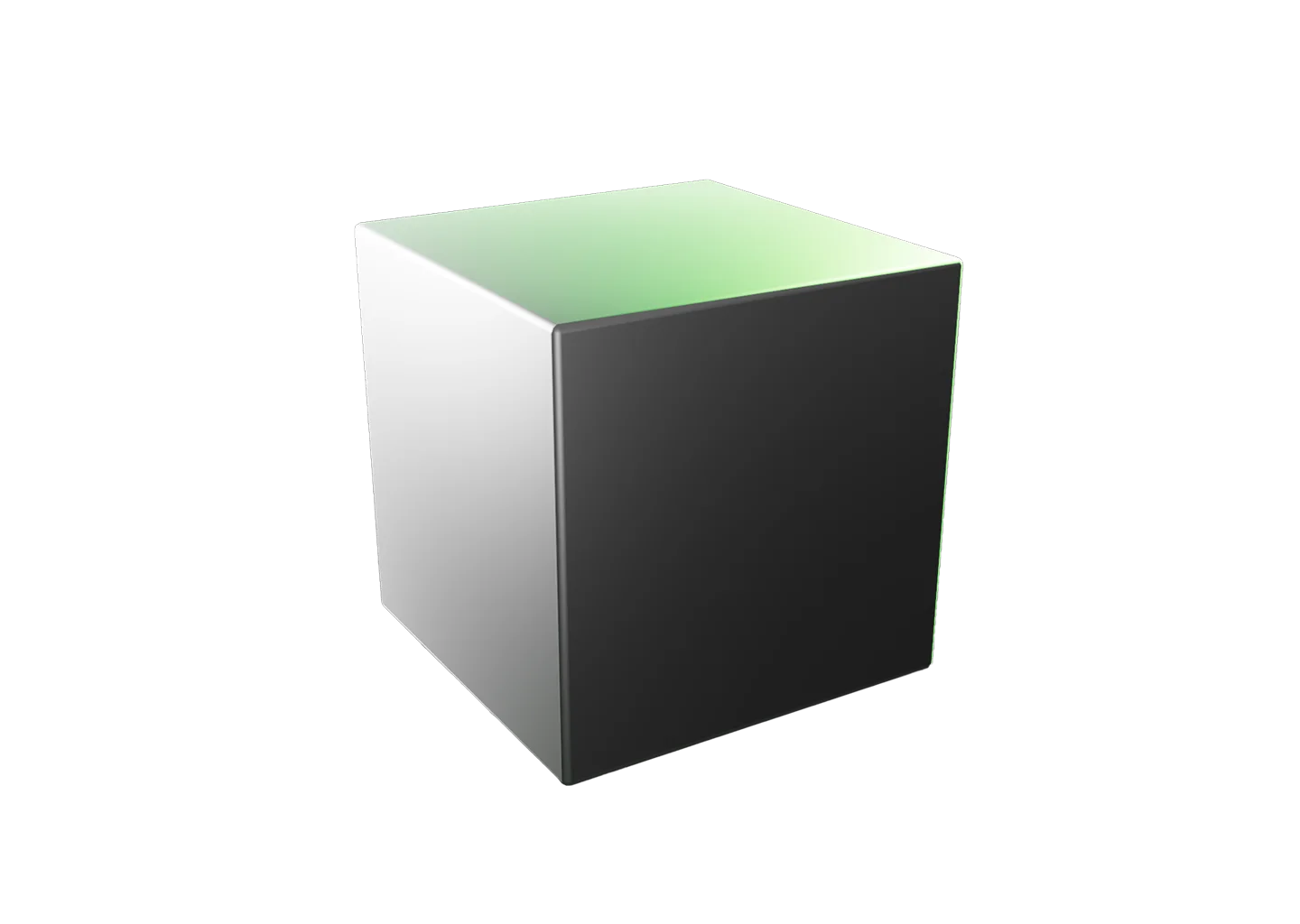
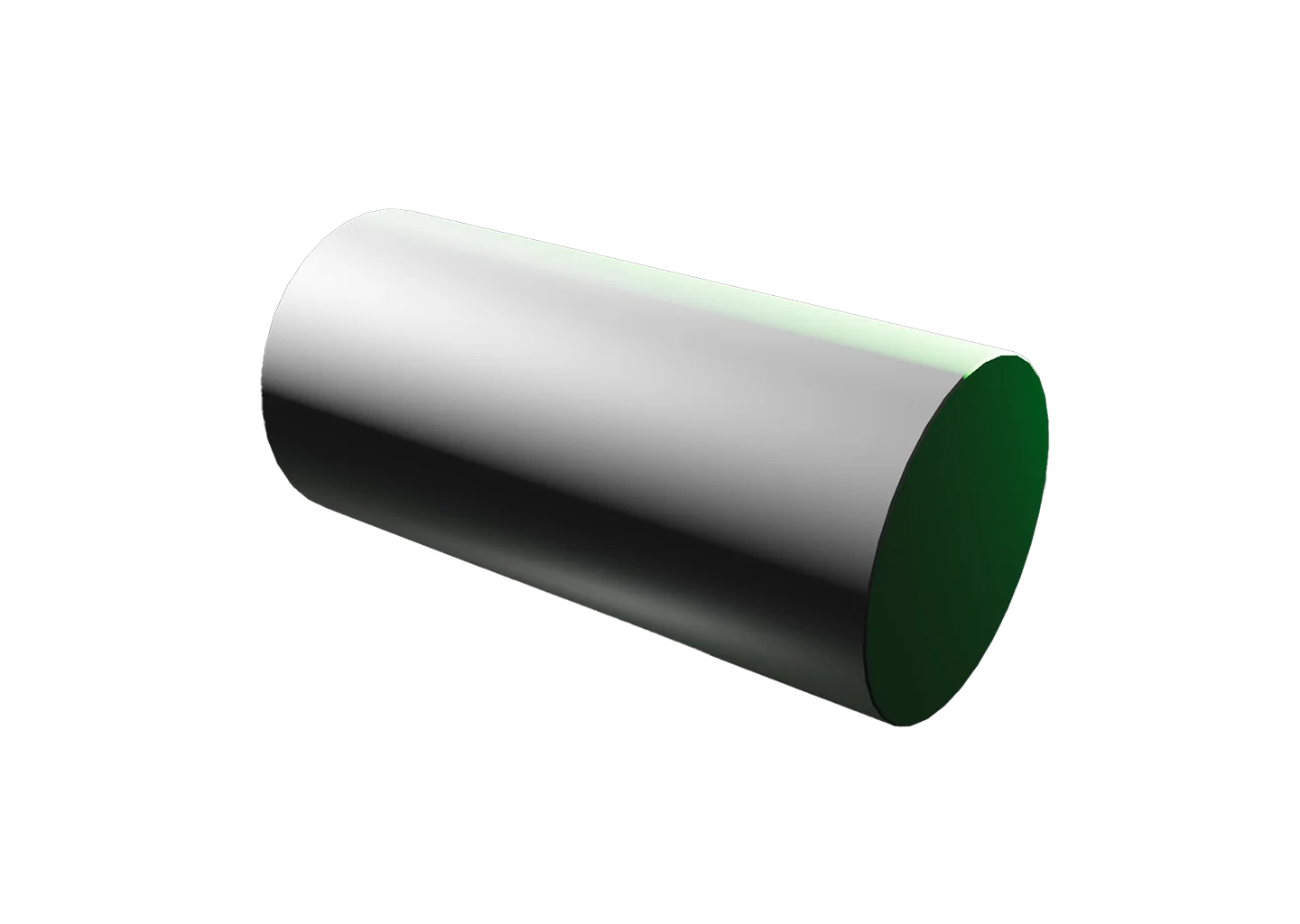
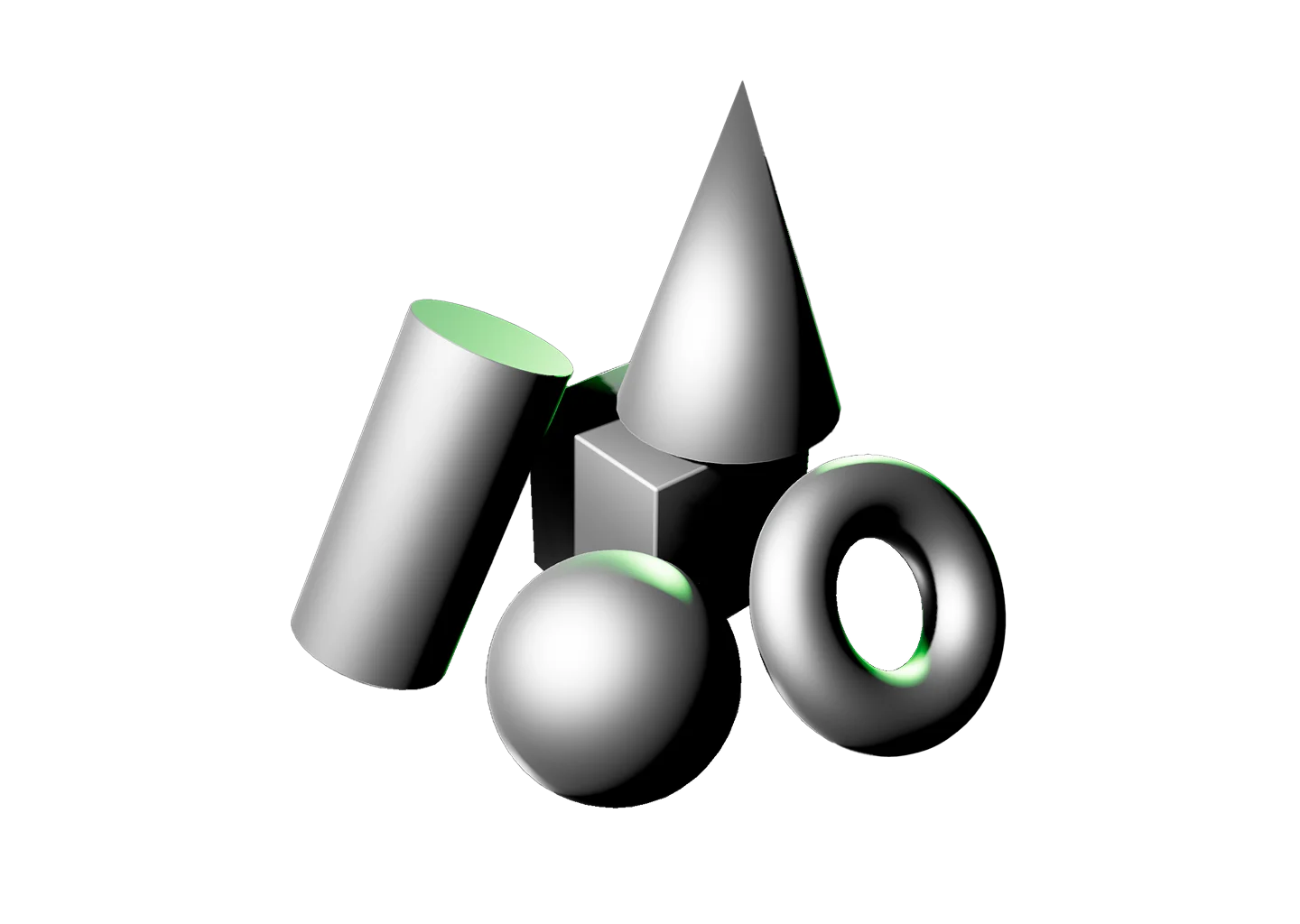
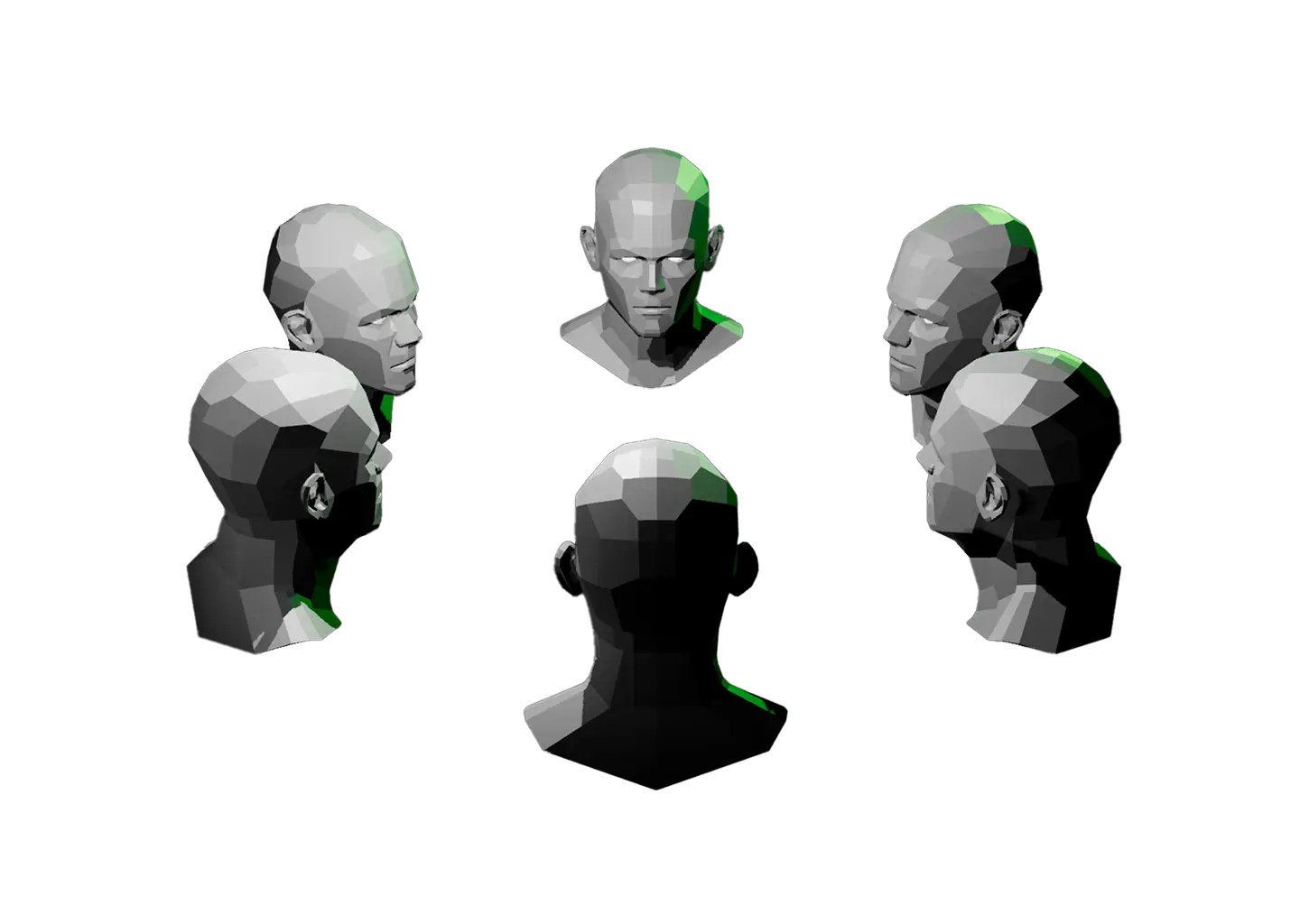
The cube is one of the first shape primitives artists study because it teaches perspective, planes, and light across planar surfaces. Every face responds differently as the light changes, making it easier to understand value relationships and form.
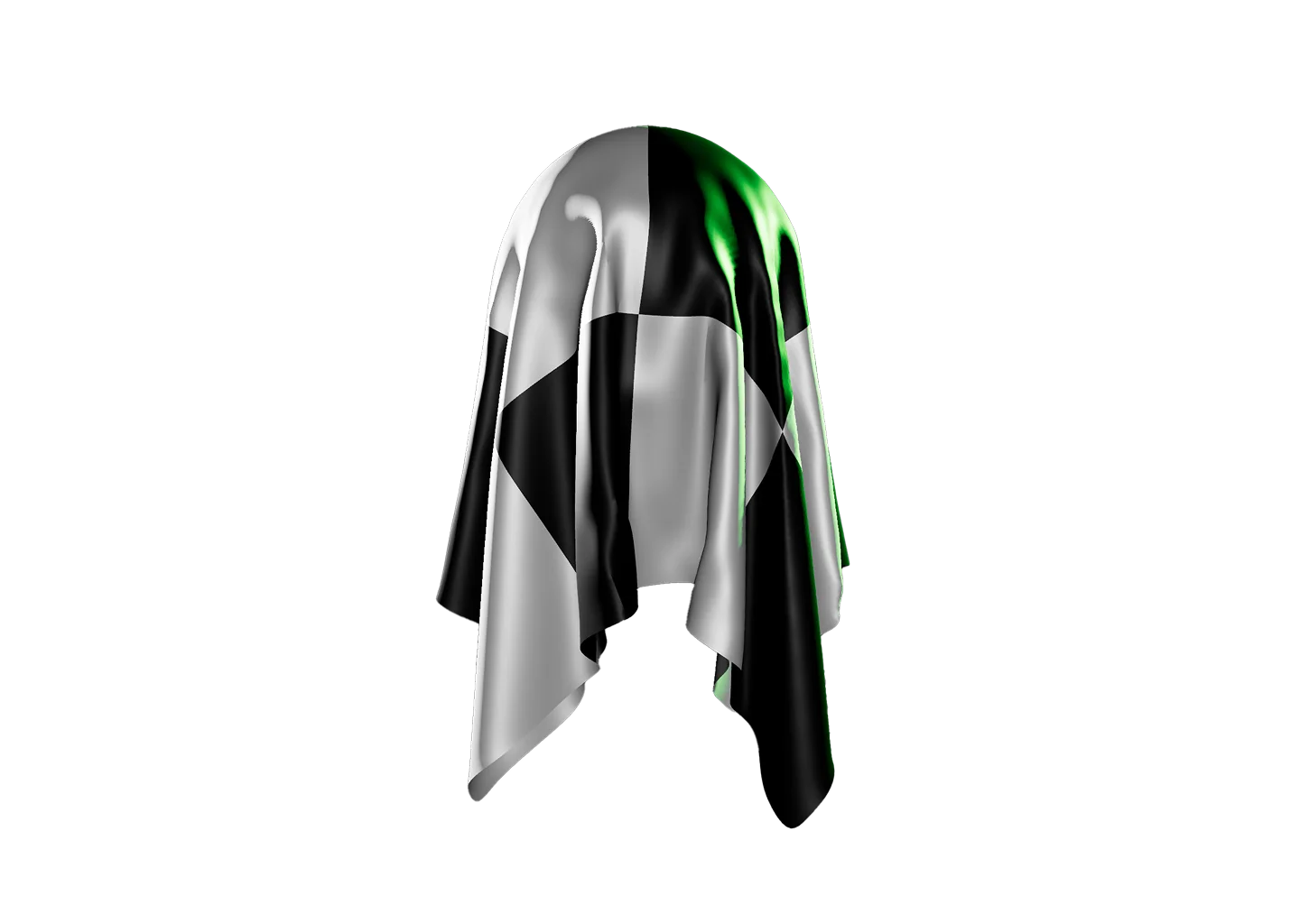
Rotate the cube or camera to study different viewpoints, and right-click the cube and checkerboard floor to change their color or material.
The scene loads with a green light to set the mood, but switch it to white for a pure-value study, and set the ambient light (the dotted outline one) to 0 brightness for dramatic shadows.
Learning to simplify complex subjects into planes is a skill you’ll carry into everything from portraits to architecture.
Once you know how to shade a cube, continue with the
Sphere Shading Reference to explore light on curved surfaces.